


On Sale!
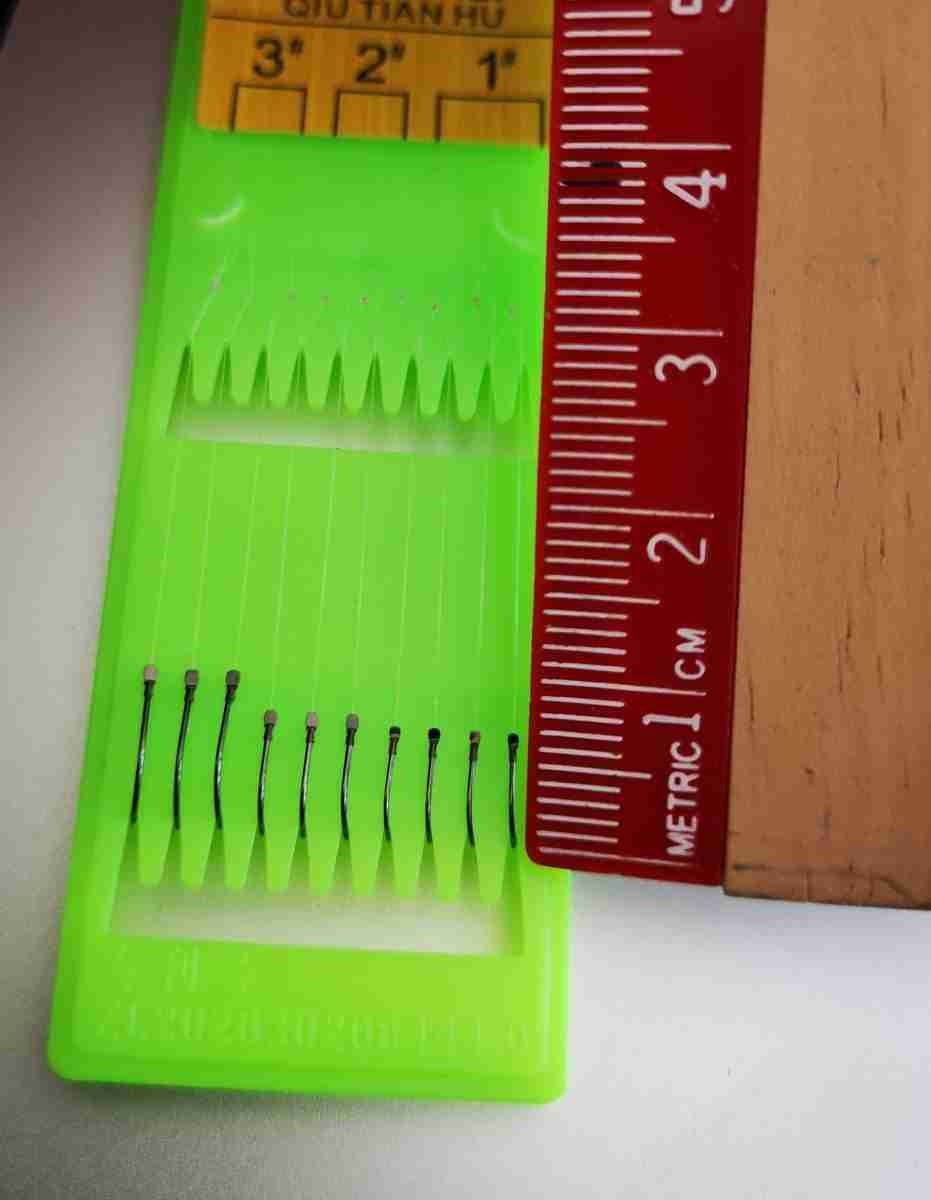
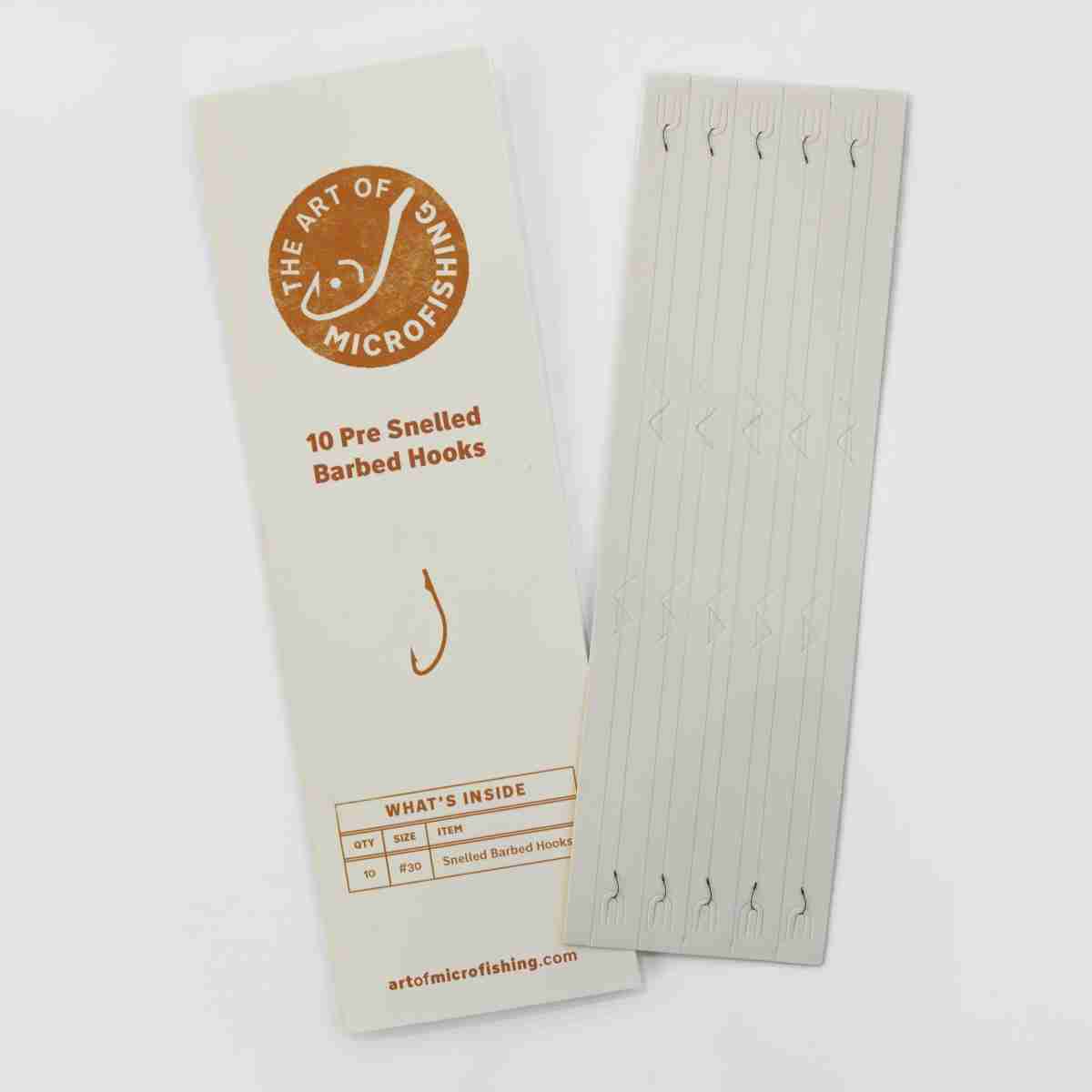
1-2-3 Pre-Snelled Micro Fishing Hooks Three hook sizes for true micro fishing The 1-2-3 Micro Fishing Hook Pack gives you three useful micro hook sizes in one ready-to-fish pack: #30, #26, and #24. That range matters. Micro fishing is not like choosing a small panfish hook and calling it good. Many true micro species have mouths small enough that even size #18 trout hooks can miss fish all day. Darters, shiners, dace, killifish, silversides, and young sunfish often peck bait cleanly from hooks that still look tiny to us. These hooks are small enough to fish for true micros, but varied enough to adjust when the fish change. Each hook is pre-snelled on a 30 cm leader of fine 2 lb monofilament. You do not have to tie directly to a tiny hook eye in the field. Connect the leader to your line, rod tip, Lillian string, or quick connector, bait the hook, and fish. What comes in the pack 10 pre-snelled micro fishing hooks: 4 size #30 hooks for the smallest fish, including darters, tiny shiners, silversides, and killifish 3 size #26 hooks for general micro fishing when fish are small but feeding well 3 size #24 hooks for larger micros, juvenile sunfish, small chubs, gobies, mollies, and similar species Each hook is tied on a 30 cm leader of 2 lb monofilament. Why three sizes work better than one Most beginners struggle because the hook is too large, the bait is too large, or both. The #30 hook is the one to use when fish are barely able to take the bait. The #26 is the everyday size for many creek and pond micros. The #24 gives you a little more hook for larger fish, stronger bites, or mixed-species water. That gives you room to adjust without carrying a pile of loose tiny hooks. Why not just use size #18 trout hooks? A size #18 hook is small for trout fishing, fly fishing, or ultralight panfish work. For true micro fishing, it is often still too large. Small fish may nip the bait, steal it, or never get the hook point into their mouth. That is why tanago-style hooks and true micro hooks make such a noticeable difference. They let the fish take the bait instead of just picking at it. If you are trying to catch actual micro species, the hook has to match the mouth. How to rig these hooks Tie the pre-snelled leader to your main line, Lillian string, rod tip, or a small quick connector. Add a micro float if you want to see light bites. Use only enough split shot to hold the bait where you want it. In very shallow water, you can fish without a float and watch the fish take the bait. Micro fishing is usually close-range fishing. You are not trying to cast far. You are trying to put a very small bait in front of a very small fish with enough control to see or feel the take. What bait to use Live bait is hard to beat. A tiny fleck of redworm, a shred of river insect, or a small piece of natural bait is often enough. The bait should be smaller than most beginners think. Cover only the point or very end of the hook. If fish are pecking and stealing bait, the first fix is usually less bait, not more. Dough bait can also work, especially for small sunfish, shiners, and other curious feeders. Keep it small and soft enough that the hook point still has a chance to find the fish. Where to fish them Start in small creeks, pond edges, ditch pools, backwaters, slow seams, and quiet water near current. In bigger pools, fish close to the incoming water where food naturally drifts into slower water. At night, a headlamp can make micro fish easier to spot and target. During the day, look for shallow edges, rocks, weeds, sand patches, and places where tiny fish are already moving or feeding. Good species for this hook pack These hooks are useful for many small freshwater and brackish species, including darters, dace, shiners, killifish, mosquitofish, juvenile sunfish, small chubs, gobies, mollies, silversides, and small cichlids. They are not meant for larger panfish, bass, trout, catfish, or rough fish. This is light tackle for small fish and controlled presentations. Built for North American micro fishing Traditional tanago fishing is built around a specific Japanese style of fishing for bitterling. North American micro fishing is broader. We fish creeks, canals, ponds, marshes, ditches, and backwaters for whatever small species live there. That might mean darters under a riffle, shiners over sand, mosquitofish in a ditch, juvenile sunfish in weeds, or small cichlids and mollies in warm southern water. The 1-2-3 pack was put together for that kind of fishing: mixed species, small hooks, light line, quick changes, and enough size range to adapt. Who this pack is for This is a good hook pack if you already have a rod, line, and basic micro rigging supplies but need the right hooks. It is especially useful for beginners who are coming from ultralight fishing, fly fishing, or panfish fishing and are realizing that ordinary small hooks are not always small enough. If you still need the rod, floats, line, and other rigging pieces, the Complete Micro Fishing Starter Kit is the simpler starting point. If you already have the setup, the 1-2-3 hook pack gives you the hook sizes you will reach for most often. Pack details 10 pre-snelled micro fishing hooks Sizes included: #30, #26, and #24 Leader length: 30 cm / about 12 inches Leader material: 2 lb monofilament Useful for fixed-line micro fishing and tanago-style fishing Ships from Idaho, USA A better starting point for true micros Micro fishing gets easier when the hook, bait, and presentation are scaled to the fish in front of you. The 1-2-3 Micro Fishing Hook Pack gives you the small hook sizes most beginners end up needing after they realize ordinary small hooks are still too large. Add the 1-2-3 Pack to your micro fishing setup if you want one simple hook pack that covers most true micro species.